GRID DOWN / Zombie Apocalypse Boot Camp

Learn to survive
an apocalypse.

Become the person who can get through the first 72 hours and take care of themselves and their people long after.

Six weeks of hands-on training with veterans and first responders. Physical training is mandatory every week.

Starts February 2027/$795 CAD/Manitoba
Power outPhones deadNobody’s coming

Day four

What do you do
on day four?

The power’s out. The phones are dead. Nobody’s coming. You got through the first three days. How do you get through the next three weeks?

That’s what you’re here to learn. How to put food on the table, keep the house warm, fix the equipment you depend on, and take care of someone who gets hurt. The first 72 hours are about getting through it. Everything after that is about learning to live without the things you used to count on.
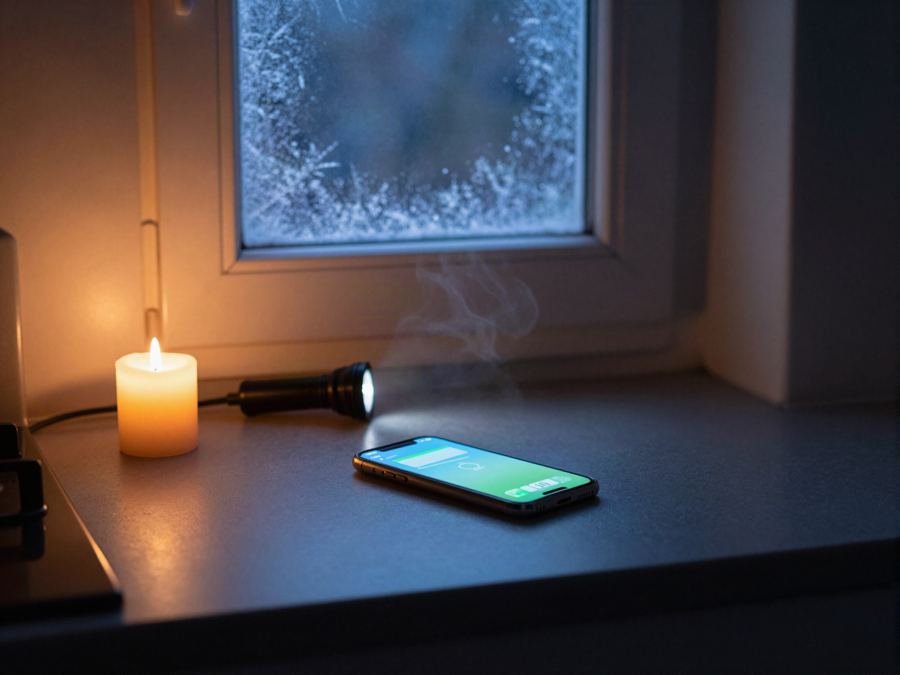
A dark kitchen in a winter power outage lit by one candle, with frost on the window
  1. 01

    Put food on the table

    The freezer is thawing and the stores are empty. Hunt, fish, grow and preserve what you need.

    Weeks 3 and 5
  2. 02

    Keep the house warm

    No furnace, falling temperatures. Shelter, backup heat and safe fuel, at minus 30.

    Week 2
  3. 03

    Fix what you depend on

    The generator won't start and nobody is coming to fix it. Diagnose it and get it running.

    Week 5
  4. 04

    Take care of the injured

    Someone gets hurt and emergency services can't reach you. Treat them and make the next call.

    Week 4
Learn to do it yourself.

Every skill is hands on, practised outside where possible, and taught by people who’ve done it for real.

Learn to fish.

Fish open water and through the ice. Handle and prepare your catch.

Learn to hunt.

Learn ethical hunting, fieldcraft, and Canadian firearms safety.

Learn to fix.

Diagnose problems with generators, small engines, and equipment you rely on at home.

Learn to farm.

Start seeds, work the soil, and grow food through a Prairie season.

Learn to preserve.

Can, dry, smoke, and store what you grow, catch, and harvest.

Learn to survive.

Find shelter, navigate in winter, plan for backup heat and power, and practise advanced first aid.

Learn to evade danger.

Recognize hazards early, find a safer route, and know when to leave.

Learn to win.

Put the skills together in the final field exercise. Success means everyone gets through it.

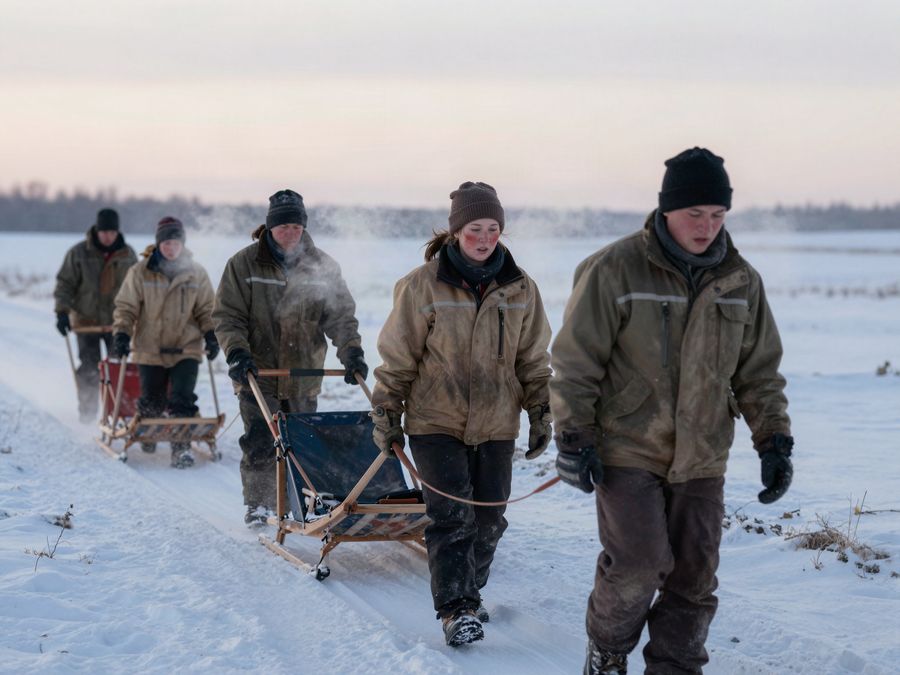
Trainees dragging loaded sleds through deep snow

Mandatory, every week

Everybody trains.

Physical training is mandatory all six weeks.

You’ll build the strength and stamina to carry gear, move through snow, and keep working when you’re tired. You’ll also practise staying calm, doing your share, and helping somebody who’s having a harder day than you are. Being self-reliant means you have more to offer when someone else needs you.

Six weeks in the field.

One week builds on the next, ending in a full field exercise.

What you leave with

  • The Canadian Firearms Safety CourseCompleted and included, ready for your PAL application. Restricted (RPAL) course available as an add-on.
  • A plan for your householdFor the first 72 hours and the weeks after.
  • Skills you’ve actually doneNot watched. Practised outside, in winter, with feedback.
  • Your training groupPeople you trust, who trained alongside you.

Just need your PAL or RPAL? Take the firearms safety courses on their own, no six-week program required.

Firearms courses →

See the Full Training Schedule

Who you train with.

At your first session, you’ll be assigned to a small group of other participants. You’ll work with those same people throughout the six weeks. Veterans and first responders teach the sessions, lead the field exercises, and give you feedback as you go.

Training takes place in Manitoba. Join the waitlist for the meeting location, field site, and session dates when registration opens.

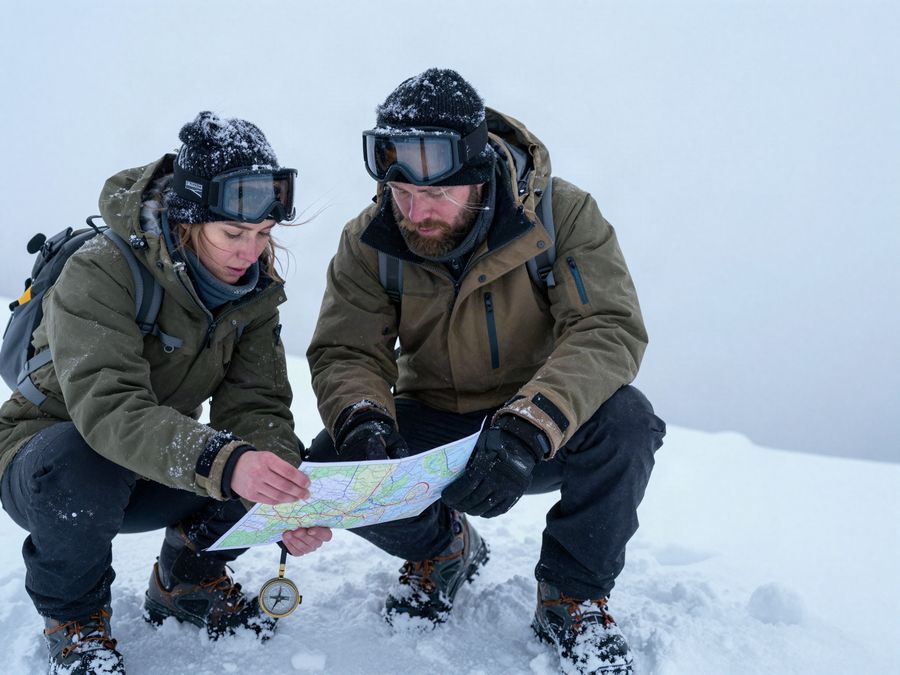
A trainee reading a map and compass in a snowstorm
Navigation in a whiteout
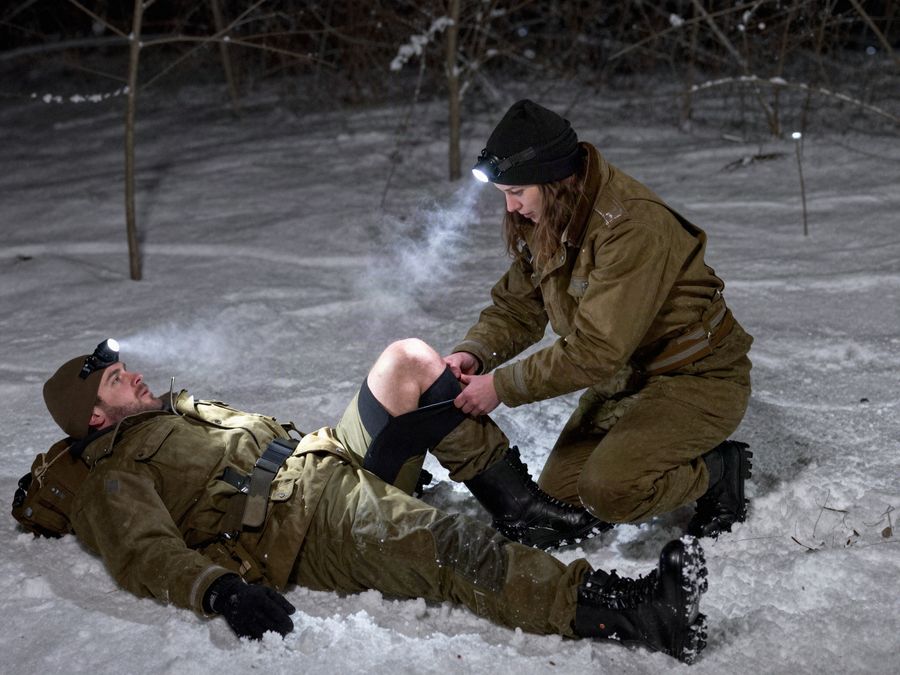
A trainee tightening a tourniquet on a teammate by headlamp
First aid by headlamp

Week six / The final field exercise

Six weeks in.
Put it to the test.

In the final exercise, the power and communications are down. Someone in your group is injured. The weather is getting worse. You’ll have to look after the injured person, work out what supplies you have, and decide whether to stay where you are or move.

Afterward, your instructors walk through what worked, what you missed, and what you’d do differently. You leave knowing which skills you can rely on and which ones you need to keep practising.

Keep training after week six.

Graduates can keep working on their skills through workshops, field weekends, and days out on the ice with people they trained alongside.

FAQ

Quick answers to common questions about GRID DOWN.

Do I need experience?

You can start without hunting, fishing, first-aid, or backcountry experience. Come ready to train outdoors and take part every week.

Is the fitness training optional?

Physical training is required each week and is part of preparing you for the field exercises.

What’s included for firearms safety?

The Canadian Firearms Safety Course (PAL course) is included. The restricted course (RPAL) is available as an add-on, and both courses can be taken on their own without the six-week program. Licensing is a separate process through the RCMP.

How much does it cost?

The six-week program is $795 CAD. Joining the waitlist is free.

See all questions →

We will only email you about GRID DOWN. Unsubscribe anytime.

You’re on the list.

Watch your inbox. Dates, the full schedule and first access to registration come to you before anyone else.